
Your location data is now officially protected by the fourth amendment — here’s what that means for you

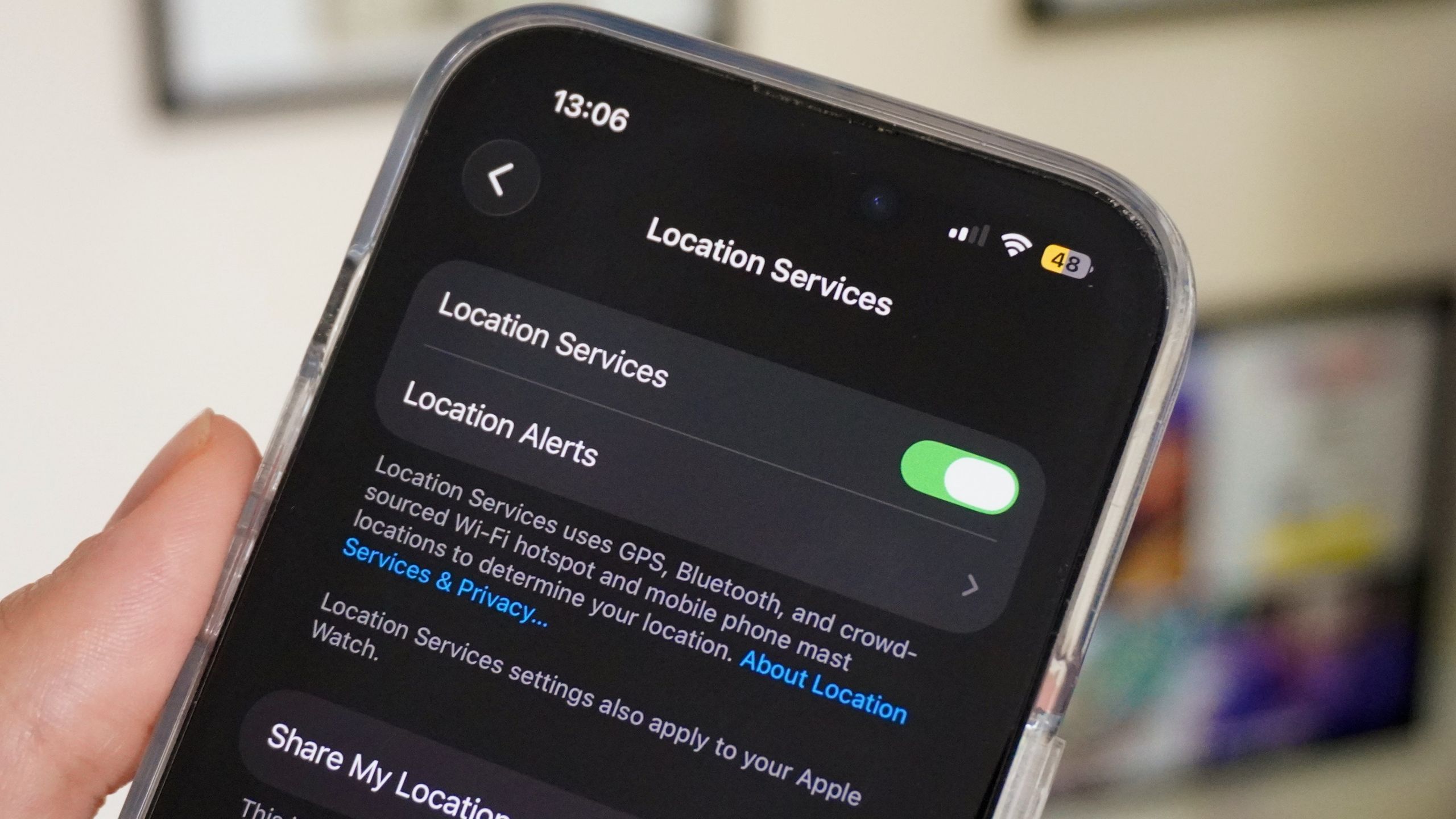
In a blow to law enforcement, the U.S. Supreme Court has voted 6-3 that law enforcement can’t just use sweeping “geofence warrants” to collect smartphone location data. Instead, that data requires privacy protection under the fourth amendment, even if the required data only covers a short period of time.
The ruling in question relates to a case from 2019, when Virginia police used a geofence warrant to obtain location data from Android phones near the scene of a bank robbery which saw an armed suspect flee with $195,000. Google initially provided officers with anonymized locations for 19 devices, which police were able to narrow down to nine potential suspects and eventually three identified users.
Police eventually arrested Okello Chatrie, who was indicted by a federal grand jury after pleading guilty to charges relating to armed robbery, resulting in a 12 year prison sentence. However, Chatrie’s lawyers had argued that the police search was overly broad, and violated his constitutional rights under the fourth amendment (which protects people from unreasonable search and seizure).

The government had argued against this claiming that accessing a short amount of location information means that geofence warrants aren’t categorized as a fourth amendment search — and thus doesn’t need to be afforded the same privacy protections.
The Supreme Court has just ruled against this argument — ruling that police obtaining detailed cellphone location history from a tech company does constitute a fourth amendment search.
Since location data collected through ordinary use can offer a huge amount of personal information, the decision’s been made to give it the same level of protection from unreasonable search and seizure as other personal information.
What does this mean for you?

It’s worth emphasizing that this ruling does not ban geofence warrants. Instead it makes it legally clear that location data from your phone is constitutionally protected, and isn’t freely available for law enforcement as it has been in the past. So police can still submit warrants to obtain location data that has been collected from your phone by a third party tech company.
Instead, future geofence warrants will need to be treated like any other police search and supported by probable cause. Meaning police will need to describe the scope of the search with sufficient detail before they will be granted the warrant and able to access the data in question. So the process is going to be a little more difficult and bureaucratic than it has been in the past.
The ruling doesn’t just apply to Google and Android either, and protects detailed cellphone location history from other tech companies as well. That includes Apple, and any other company that might be collecting location history from your phone.
The Supreme Court also didn’t rule whether the warrant used in Chatrie’s case was valid or not. So the case has been sent back to the appeals court to determine whether police had sufficient cause to collect the location data related to the case.
You can read the full ruling right here on the Supreme Court’s website.

Follow Tom’s Guide on Google News and add us as a preferred source to get our up-to-date news, analysis, and reviews in your feeds. Alternatively, you can read our content on the Tom’s Guide app available now for iOS and Android. Subscribe to Tom’s Guide on YouTube and follow us on TikTok. Finally, you can visit our dedicated Tom’s Guide Savings Squad hub for expert help on getting the best products for less.